The wedding guest scene, decoded by dress code
Published Oct 19, 2026 · By June, Scene editor
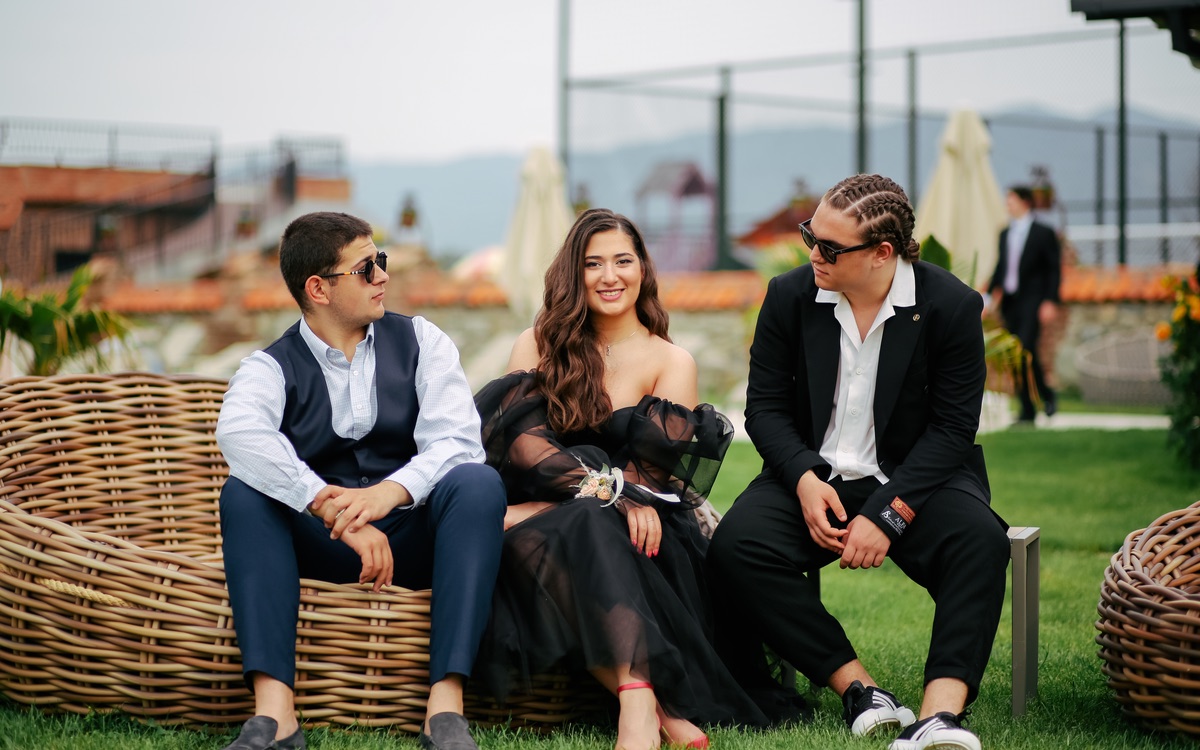
A wedding invitation names a dress code, but the venue tells the truth. A barn that says “cocktail” and a ballroom that says “cocktail” are different scenes, and the guest who reads the room ends up comfortable in both.
Set the scene
Time: afternoon into night. Where: a venue with a ceremony, a cocktail hour, and a reception — three different floors, temperatures, and footing. Formality: level 3–5 depending on the code. The constraint: you’ll be standing, walking on uncertain ground, and sitting at a table with strangers.
Read the code
Black tie (level 5): a formal gown or a tuxedo, no improvisation. Cocktail (level 4): a dress or a suit in a dressy fabric; heels optional, polish not. Garden / semiformal (level 3): a dress or separates that can handle grass; block heels or flats. Beach (level 2–3): linen, sandals with a sole, and a layer for the evening wind.
When the invitation is vague, use the venue and the hour: an evening city venue runs a level dressier than its wording; a daytime outdoor venue runs a level more relaxed.
The three decisions
1. Shoes for the ground, not the photo. Outdoor ceremonies mean grass, gravel, or decking. A block heel or a dressy flat is the safe bet and looks correct in every photograph. Thin heels are a two-hour decision made in thirty seconds.
2. One layer for the temperature drop. Ceremonies run into the evening, and outdoor venues cool fast after sunset. A wrap, a tailored jacket, or a light coat that works with the outfit covers it — and gives you something to do with your hands during the ceremony.
3. Nothing that competes with the couple. No white, no near-white, no gown that photographs brighter than the bride’s. At evening weddings, a deep color or a black dress is the conventional answer; at daytime ones, a mid-tone or a print.
What to wear, specifically
For a cocktail-level evening wedding: a dress or suit in a substantial fabric, a block-heel shoe, a small bag you can hold, and one piece of jewelry. For a garden wedding: a midi dress or separates in a color that photographs well against green, a flat or low wedge, and a layer for the evening.
Bring a bag small enough to keep with you — a clutch with a strap beats a clutch you have to set down. And carry a pair of foldable flats if the venue has a long walk from parking to ceremony.
Variations
A winter wedding: add tights, choose a dress with sleeves, and bring a coat you can check. A destination wedding: the dress has to survive a suitcase — choose a fabric that doesn’t crease. A wedding where you’re giving a toast: wear the jacket; you’ll be standing in front of the room.
The scene is formal, social, and long. Dress so you can forget the outfit by the second hour.
Frequently asked questions
- What does 'festive' mean on a wedding invitation?
- It means the couple wants color and celebration rather than a formal uniform — think cocktail level with more freedom in fabric and hue. It is not a license for white, and it is not a request for black tie. If the venue is a garden or a barn, bias toward the more relaxed reading.
- Can I wear black to a wedding?
- At evening weddings, black is common and correct at cocktail level and above. At daytime or garden weddings it can read heavy — navy, olive, or a deep green usually sits better. The one color to avoid entirely is white, and the second is anything close enough to be mistaken for it.
- Are heels a mistake at an outdoor wedding?
- Often. Grass, gravel, and wooden decks swallow thin heels. A block heel, a wedge, or a dressy flat handles all three and lets you walk to the ceremony without the lawn deciding for you. Bring the heel only if the reception is indoors.