The merino base layer, and when it isn't the answer
Published Oct 19, 2026 · By Iris, Pieces & materials editor
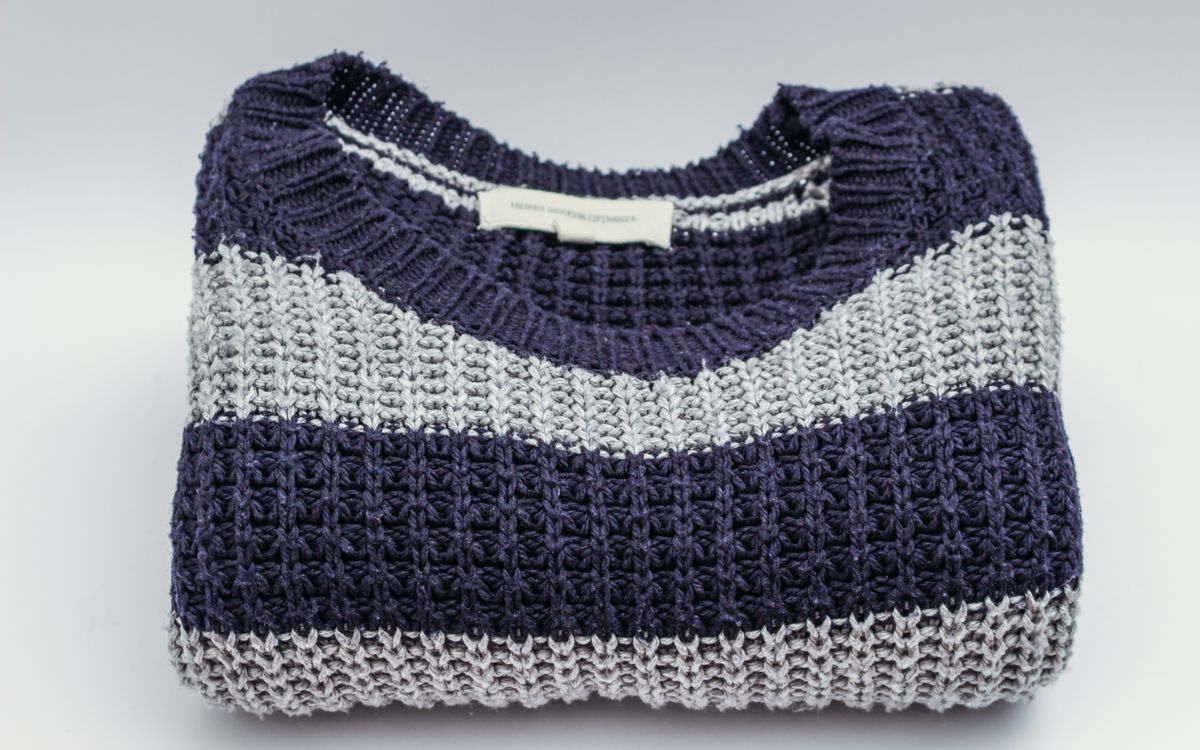
Merino base layers earned their reputation honestly: soft next to skin, warm for their weight, and wearable far longer between washes than cotton. But a reputation is not a specification, and the cases where merino stops being the right answer are worth knowing before you buy a second one.
What merino does well
Merino is fine wool, so it bends against skin instead of pricking it. The fiber absorbs moisture vapor into itself rather than letting sweat sit on the surface, which is why a merino top feels dry at moderate output and manages odor across multiple light wears. It also insulates when damp better than most synthetics, and it packs down to almost nothing.
For travel, office-to-evening layering, and cool-weather city wear, nothing else does all of that at once.
Where merino stops
Two limits matter. The first is durability. Fine merino fibers are thin — that fineness is exactly what makes them soft — and thin fibers abrade. The recurring pattern in owner reports is holes appearing first where something rubs the same spot for hours: under backpack straps, at the underarms, and wherever a pack or a seat belt loads the fabric. A wool-nylon blend or a synthetic survives those spots better.
The second is drying time. Merino can absorb a substantial share of its weight in moisture before feeling wet, which feels like a feature on day one and a problem on day three: the layer is holding water, and wool dries slowly. On a multi-day trip without a dryer, a merino top worn two days running may still be damp at 6 a.m.
When to pick synthetic instead
A polyester or polypropylene base layer is the better tool when the day produces real sweat (running, ski touring, summer hiking with a pack), because synthetics spread moisture to the surface and shed it fast. It is also the better answer for trips where layers must dry overnight, for anything worn under abrasive straps, and for budgets where a $25 synthetic that lasts three seasons beats a $90 merino that holes in one.
Weight and knit
Base layers are quoted in grams per square meter (gsm). Lightweight, around 150 gsm, is the breathable choice for cool-to-mild output and layering under shirts. Midweight, roughly 180-220 gsm, is the cold-weather default. Zoned knits (grid or mesh panels under the arms and along the sides) exist to dump heat exactly where synthetics beat wool anyway, and they are the most sensible merino design on the market.
Care
Wash cool, on a wool or gentle cycle, with a wool-specific detergent — or with nothing at all, for a lightly worn top. Skip fabric softener; it coats the fiber and kills both the softness and the moisture management. Dry flat, away from heat. Wash after every multi-day wear, not after every single one.
| Merino | Synthetic (polyester) | |
|---|---|---|
| Drying speed | Slow | Fast |
| Odor after light wear | Low | Builds faster |
| Durability under straps | Fair | Good |
| Warmth when damp | Good | Poor |
| Typical price | Higher | Lower |
Merino is the right default for most people, most of the time. The day you plan to sweat hard, or to wear the same layer three days straight, pack the synthetic.
Frequently asked questions
- Does merino really resist odor?
- For light wear, largely yes — merino absorbs moisture vapor into the fiber instead of letting it sit on the skin, and the pattern in owner reports is far fewer wears between washes than cotton. It is not odor-proof: after a genuinely sweaty day, merino needs a wash like anything else.
- Can a merino base layer be tumble dried?
- No. Heat and agitation felt wool fibers together, and a base layer that goes through a hot dryer will come out smaller and denser. Wash cool on a wool or gentle cycle, then dry flat, away from radiators and direct sun.
- Why did holes appear under my backpack straps?
- Abrasion. Fine merino fibers are thin, and a strap loading the same square inch for hours will wear through them faster than coarser wool or nylon. A shell over the straps, or a synthetic panel at the contact points, is the usual fix.