Small leather goods: card cases, wallets, and the quiet signal
Published Oct 18, 2026 · Updated Oct 19, 2026 · By Iris, Pieces & materials editor
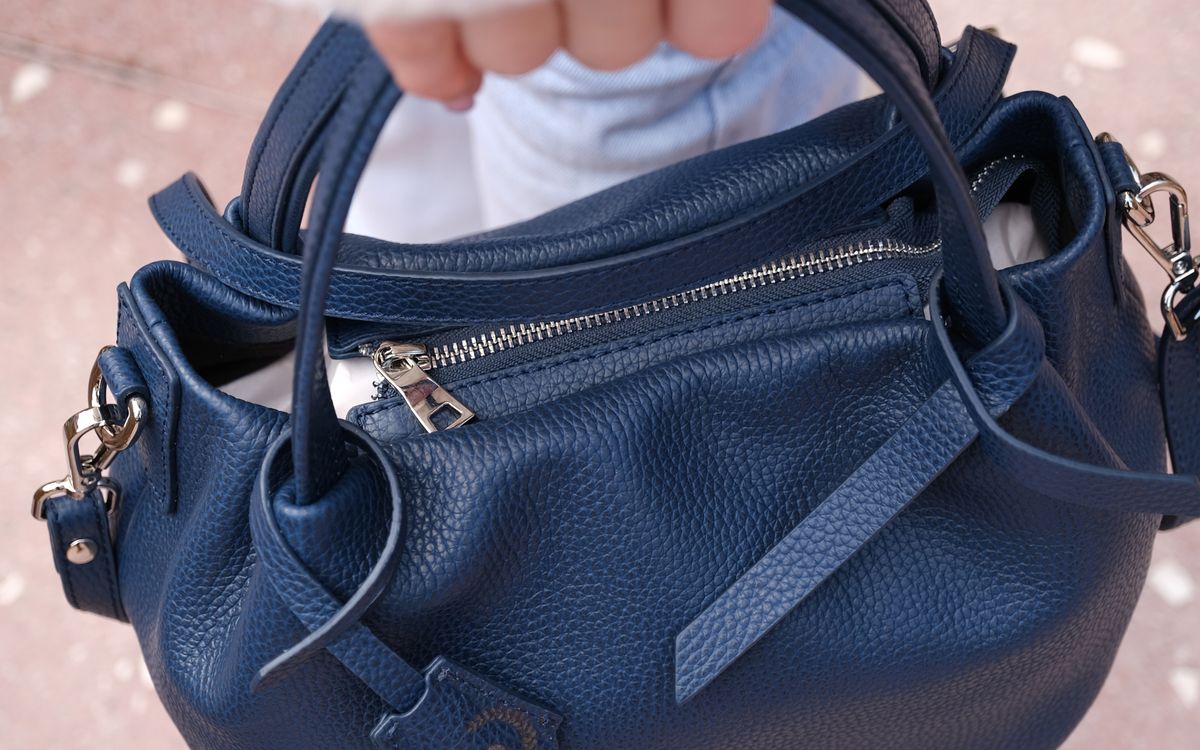
Small leather goods are the accessories that never appear in an outfit photo and always appear on the table. That makes them a quiet signal: a card case that’s aged well says something about how you buy things, and a wallet bulging with receipts says something else.
The case for a card case
A card case holds three to six cards and folds once. It disappears into a front pocket, keeps a trouser line intact, and forces a useful edit: the loyalty cards you never use, the receipts you’re keeping for no reason, the expired gym card — all of it stays home. For most people with a phone-based payment habit, it’s the right daily carry.
The trade-off is capacity. If you carry cash, a transit card, and more than a handful of cards, a card case will frustrate you by the second week.
What separates a good one
The leather. Full-grain or top-grain, smooth or pebbled. Bonded leather — the composite made from scraps — cracks at the folds within a year, and a card case folds constantly. This is the one place where spending more changes the outcome in a visible way.
The stitching. Look at the fold and the card slots. Stitching should be tight, even, and finished at both ends. Loose or skipped stitches are where a case fails first.
The slot count and tension. Slots that are too tight stretch and stay stretched; slots that are too loose let cards slide out. A good case holds a card firmly enough that it doesn’t fall when you turn it upside down.
The dimensions. A card case should fit a front pocket without printing through the fabric. That’s roughly 4 by 3 inches closed, and it’s worth measuring before you buy online.
Wallets, for the things a card case can’t hold
If you carry cash, a bifold in the same leather family is the traditional answer. The rule is the same as everywhere else in this section: thin beats big. A wallet that’s an inch thick closed is a wallet that ruins the line of every trouser pocket it enters.
How it reads in a scene
At every level, the rule is the same: the piece should look like it’s been used, not like it’s been protected. Patina is the point. A card case that’s darkened at the corners reads better than a new one, which is why this is one of the few accessories worth buying once and keeping for a decade.
When the cards outgrow the case
The usual failure is not the case but the overflow: eight cards in a six-slot case, then a second card case, then a drawer of both. The workable arrangement is two tiers — a slim case for the three cards used in a normal week, and a small zip pouch at home for the rest, refilled before a trip. Gift the pouch rather than the case. A card case is a personal fit, sized to a pocket and a habit; a pouch is useful to almost anyone and does not presume how they pay.
Buy the leather, not the logo. It’s the piece people see when the conversation has already started.
Frequently asked questions
- Card case or wallet?
- Card case if you carry three to six cards and pay by phone; wallet if you still carry cash, receipts, or more than a handful of cards. The card case wins on pocket line and weight; the wallet wins on capacity. Most people who switch to a card case keep a small wallet for the one drawer of things they don't need daily.
- What leather should I look for?
- Full-grain or top-grain for daily use — both age rather than peel. Bonded leather is a composite that cracks at the folds; it's the one material to avoid in a piece you'll handle every day. Smooth calf is the dressiest, pebbled is the most forgiving of scratches.
- How long should a good card case last?
- With daily use and minimal care, a full-grain leather card case should hold its shape for several years — the stitches and the fold are the failure points, not the surface. A case that's losing its shape at the fold within a year was made from a split or a bonded leather.