The travel day outfit that survives ten hours in transit
Published Oct 13, 2026 · Updated Oct 15, 2026 · By June, Scene editor
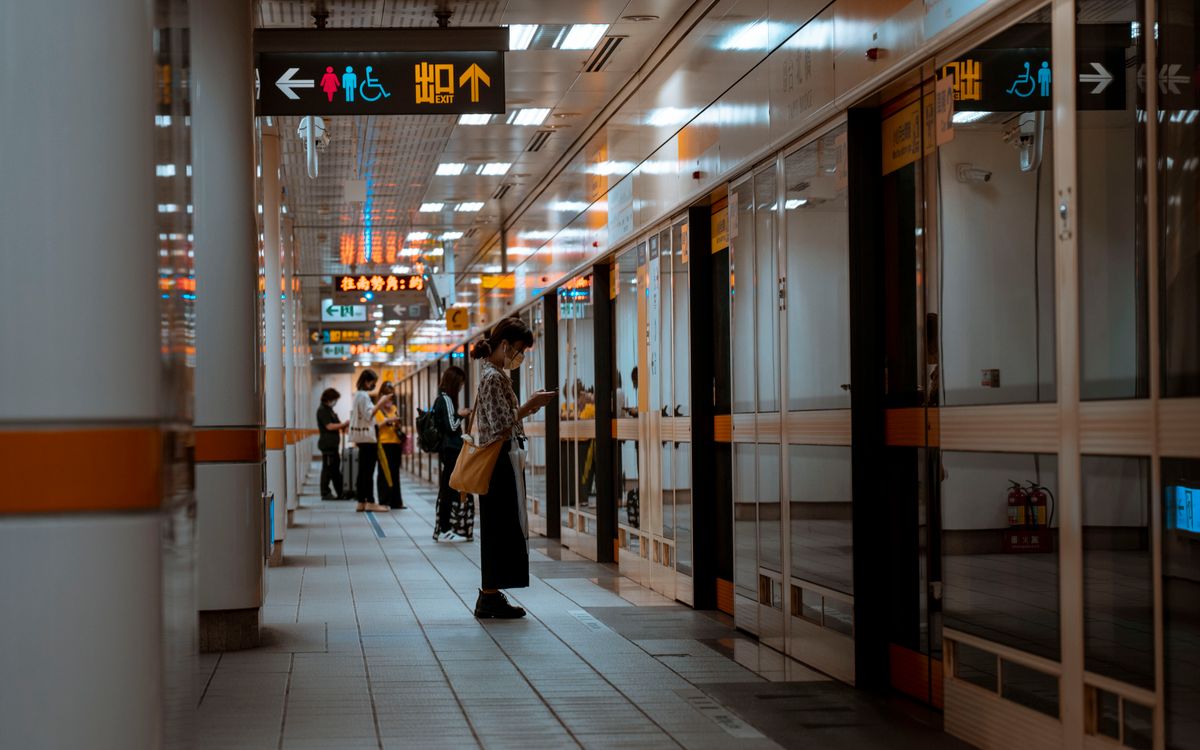
Ten hours in transit is a scene with three distinct climates: the gate, the cabin, and whatever you arrive into. A travel-day outfit has to handle all three without a change of clothes — and without turning you into someone who looks like they’re moving furniture.
Set the scene
Time: a full day, door to door. Where: a terminal, a jet bridge, a cabin at 72°F, and a destination that may be twenty degrees colder. Formality: level 2 — casual but put-together. The constraint: you’re sitting for most of it, standing for some of it, and carrying everything you brought.
The three decisions
1. Three layers that work alone. A base that’s comfortable in a warm cabin, a mid-layer for the cold gate, and a packable outer layer for arrival. The mistake is a single heavy item you can’t take off — the cabin will win that argument. A merino base, a fleece or light knit, and a packable shell covers the range in roughly two pounds.
2. The bulkiest shoes go on your feet. They cost the most bag space and the least comfort, so wear them. A slip-on or side-zip boot gets you through security faster than laces, and a rubber sole handles the walk between terminals better than leather.
3. Pockets with a job. Passport, phone, boarding pass, and a pen — four things that should never be in the bottom of a bag. A jacket with interior pockets or trousers with a zip pocket solves it. A crossbody under the jacket is the second-best option.
What to wear, specifically
Start with a merino or synthetic base — not cotton, which holds moisture and dries slowly. Add a mid-layer you can remove in the seat. Trousers with some stretch, dark enough to hide a spilled coffee. The outer layer should pack into its own pocket.
Leave the belt off if you can; security is faster without it. If you need one, choose a fabric or webbing belt that doesn’t set off the detector.
Variations
A red-eye: prioritize the base and the layer, skip the shoe change, and bring a scarf that doubles as a blanket. A business trip: wear the jacket on the plane and pack the shirt, so the arrival outfit is one change away. A winter arrival: the shell goes on before the jet bridge, not after.
The order of operations at security
Security is a sequence, and the outfit should be built for it. Laptop out, liquids out, jacket off, belt off, phone and keys into the tray — every step is faster when the item has a known place. Wear the jacket with two pockets: one for the tray items, one for the documents that stay on you. Slip-on shoes save a minute at the belt and thirty seconds at every later checkpoint, and a bag that opens flat keeps the repack from becoming a floor operation while the line waits.
The scene rewards boring choices. Nobody remembers a travel outfit that worked — which is the point.
Frequently asked questions
- Are leggings acceptable for a travel day?
- They're comfortable and they read as level 1, which is fine for a red-eye and less fine for a business trip. The compromise is a ponte or heavy-weight legging that holds its shape, worn under a longer layer that covers the seat — comfort without the gym look.
- How many layers for a ten-hour transit?
- Three, and they should all be wearable on their own: a base that handles a warm cabin, a mid-layer for the cold gate, and a shell or coat that packs small. The cabin runs 70–75°F; the jet bridge and the gate often don't.
- What shoes for a long travel day?
- The bulkiest pair you own, worn rather than packed — it saves bag space and keeps your feet in something supportive for the standing portions. Slip-on matters at security; a boot with a side zip or a loafer beats laces you have to retie in line.