The winter commute scene, from platform to desk
Published Oct 18, 2026 · Updated Oct 19, 2026 · By June, Scene editor
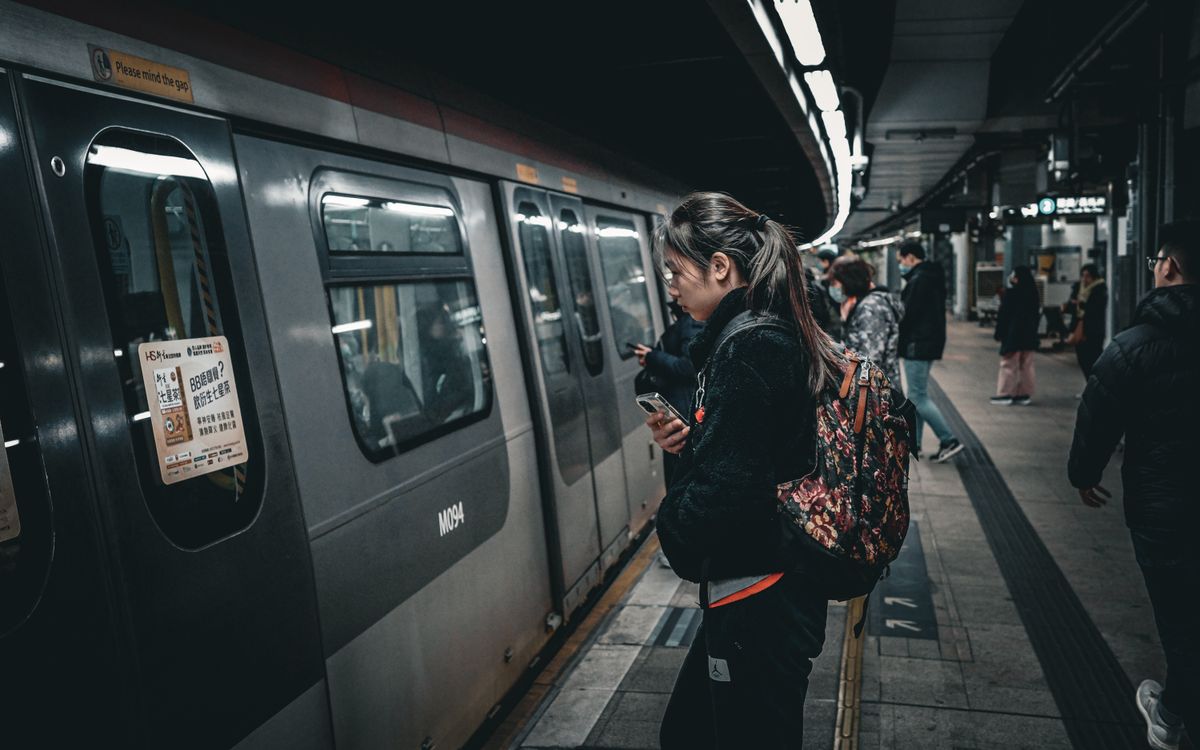
A winter commute is a compressed scene: outdoor cold at the platform, dry heat on the train, and a temperature in between at the desk. Most commuters dress for one of the three and suffer through the other two.
Set the scene
Time: 7–9 a.m., repeated at 5–7 p.m. Where: a platform, a train car, a short walk, an office. Formality: level 2–3, depending on the office. The swing: often twenty degrees between the platform and the train car, in the space of ten minutes.
The three decisions
1. Build from the office outward. The outfit you’ll be wearing at 10 a.m. is the base. A merino base layer and a fine knit or shirt should be complete on their own — because the train will be warm and the office warmer. Everything else is added for the platform and removed at the door.
2. One coat, mid-length. Mid-thigh wool or a down coat that ends above the knee. A longer coat drags on wet platforms and is a nuisance in a crowded car; a shorter one leaves the seat cold. The mid-length is the compromise that works in both directions.
3. Hands-free carrying. A backpack or crossbody leaves one hand for the rail and one for coffee. In winter you’re already managing gloves and a scarf; a hand-carry bag is one item too many.
The three temperature zones
The platform. Wind, damp, and standing still. This is the only part of the commute where the coat is doing real work, and the only part where gloves and a scarf earn their place. Everything worn here has to come off in under a minute.
The train car. Overheated, crowded, and impossible to leave. The base layer and the knit are the whole outfit here; a coat worn seated turns ten minutes into a sweat the office never quite dries out. Carry the coat, don’t wear it.
The desk. Between the two, and the temperature you actually dress for. If the base and the layer above it work at ten in the morning with nothing over them, the system is correct. If they only work under a jacket, the base is too thin.
What we’d pick
The Uniqlo HEATTECH Long-Sleeve T-Shirt is the base that makes the desk half of the commute possible: thin enough to disappear under a shirt, warm enough that the platform doesn’t demand a second layer. The Carhartt Detroit Jacket is the bridge — a canvas shell that reads as a jacket at the desk and a coat on the platform, and folds over a chair without looking ruined. The Dr. Martens 1460 8-Eye Boot handles the wet platform and the salted sidewalk, and reads plain enough for an office with a dress code.
One base, one bridge, one boot. Each piece has to work in two of the three zones; none of them has to work in all three, which is why the system stays light.
Prices and availability move — check the live listing before buying.
The picks
Some links below are affiliate links — we may earn a commission at no extra cost to you.
Uniqlo HEATTECH Long-Sleeve T-Shirt
The baseA thin technical base layer that adds warmth without bulk — which is exactly what a commute needs, because the layer you wear under everything is the one you can't take off at the desk. HEATTECH moves moisture away from skin, so the walk to the platform and the overheated train car don't leave you damp. It's also thin enough to disappear under a shirt.
- + Adds warmth without visible bulk under a shirt
- + Moisture-managing, so the train heat doesn't leave you damp
- + Cheap enough to own three and rotate
- – Synthetic hand feel; not a substitute for merino if you run hot
- – Thin fabric shows wear at the cuffs after a couple of seasons
Carhartt Detroit Jacket
The bridge layerA canvas work jacket with a blanket or quilted lining that reads as a jacket indoors and a coat outdoors. The point for a commute is the range: it handles a cold platform, survives being taken off and folded over a chair, and doesn't look out of place at a level-2 office. The canvas gets better with wear rather than worse.
- + One piece covers platform cold and office casual
- + Canvas and blanket lining handle drizzle and wind
- + Ages well — the wear pattern is the appeal
- – Heavier than a technical shell; not the lightest option
- – Canvas is stiff until broken in
Dr. Martens 1460 8-Eye Boot
The platform shoeA leather boot with an air-cushioned PVC sole — built for wet pavement and long standing, not for the office carpet. The 1460 handles rain, grit, and the walk between the station and the building, and the yellow welt stitch keeps it on the casual side of level 2, which suits most commutes. Break them in before the first wet week.
- + Rubber sole grips wet platforms and stairs
- + Leather upper handles rain better than suede
- + Comfortable for the standing portions of a commute
- – Stiff break-in period — blisters if worn new for a full day
- – Reads casual; not a level-3 office shoe
Comparison
How the three pieces cover the three climates of a winter commute.
| Uniqlo HEATTECH Long-Sleeve T-Shirt | Carhartt Detroit Jacket | Dr. Martens 1460 8-Eye Boot | |
|---|---|---|---|
| Climate it handles | Train and office | Platform and office | Platform, street, wet ground |
| Role in the system | Base | Bridge layer | Footwear |
| Removable at the desk | No — worn all day | Yes — over a chair | No — but acceptable indoors |
| Also works for | Travel days, cold offices | Weekend errands, outdoor work | Concerts, market mornings |
Prices and availability change — the buttons above check the current listing. Last verified October 2026.
Frequently asked questions
- How do I dress for a cold platform and a warm train?
- Layers, with the outer one removable. The platform is the coldest part of the commute; the train is often overheated; the office is in between. A base that works indoors, a mid-layer for the platform, and a coat you can take off and fold is the only system that handles all three without sweating through the train.
- Is a long coat practical for commuting?
- Yes, if it ends at or above the knee and can be carried. Full-length coats look right but get dirty on wet platforms and are awkward on a crowded train. A mid-thigh wool coat is the commuter's compromise — warm enough for the platform, manageable once you're inside.
- What bag works for a winter commute?
- One that goes across the body or over the shoulder and leaves your hands free for a rail, a coffee, and a phone. A backpack or a crossbody beats a hand-carry tote in winter, when you're also managing gloves, a scarf, and a coat.