Brand size charts, decoded: what the numbers actually mean
Published Oct 11, 2026 · By Iris, Pieces & materials editor
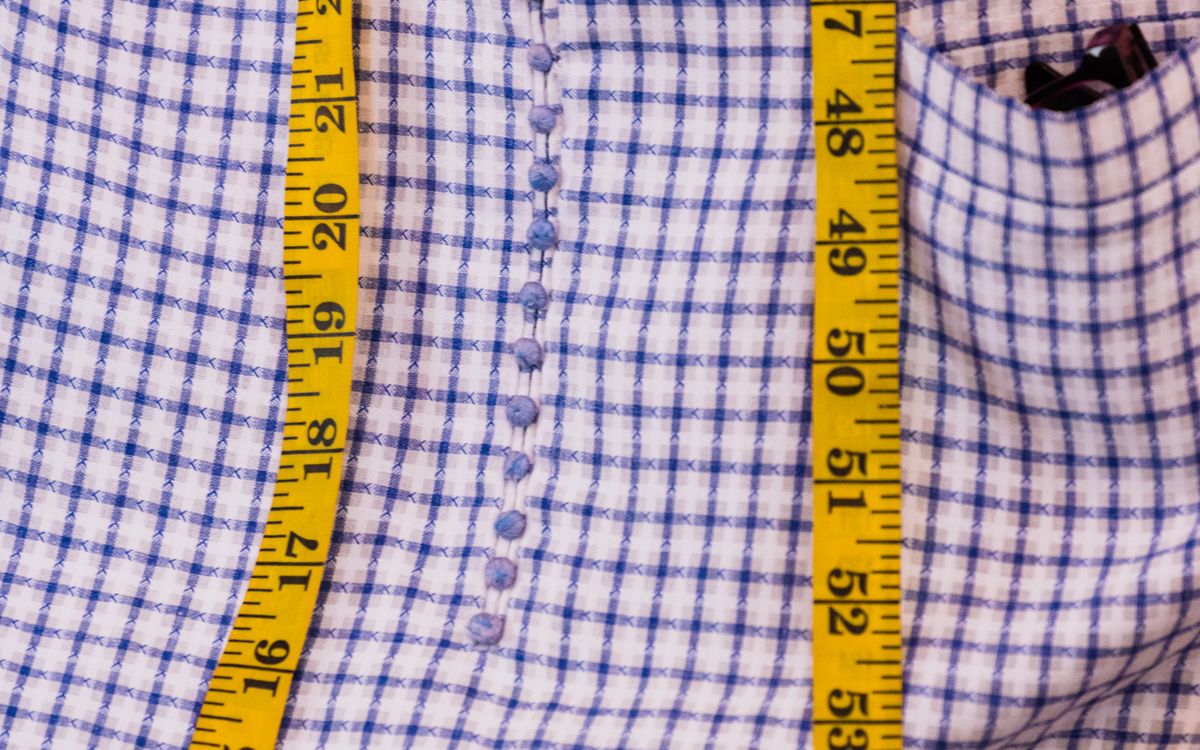
A size chart is the most useful document on a product page and the most ignored. Most returns happen because the label said M and the buyer assumed they knew what M meant.
Two kinds of numbers, one chart
Every size chart mixes two measurement types, and they are not interchangeable:
Body measurements are what the chart assumes about you — chest, waist, hip, sometimes height. They tell you which size range to start from.
Garment measurements are the actual dimensions of the piece laid flat — half-chest, back length, sleeve from shoulder. They tell you what you’re getting. Watch for half-measurements: a “half chest” of 21 inches is a 42-inch garment, so double the number before you compare it to your body. A chart with only body measurements describes who the garment was designed for; garment measurements tell you what you’re getting. When both appear, trust the garment measurements.
How to take your own numbers
Five measurements buy almost anything well: chest (fullest part, tape level, arms down), waist (narrowest point, not where your jeans sit), hips (fullest part, about eight inches below the waist), shoulder (bone to bone across the back), and sleeve (shoulder bone to wrist bone, elbow bent).
Write them down once. Then measure a piece you already own and like, laid flat, doubling the half-measurements. That pair of numbers — your body, a garment you like — is worth more than any size label.
Ease, and why charts don’t mention it
The gap between your body measurement and the garment measurement is ease — the room the design intends. A dress shirt cut for a sweater underneath might carry six inches of chest ease; a slim-fit knit might carry two. The chart gives the garment number; the intended fit is a design decision the chart can’t show.
This is why a garment can measure larger than you and still fit slim: the ease was meant to be worn loose. A brand’s fit description (“slim”, “regular”, “relaxed”) is the ease target; read it alongside the numbers.
Vanity sizing, in plain terms
Sizes drift. The number on a label means whatever the brand decided it means, and brands have quietly inflated their ranges over decades — a today’s medium can measure like yesterday’s large. It doesn’t need to be fixable by you: the chart numbers stay stable even when the labels don’t. That’s the argument for ignoring the letter and reading the inches.
When you fall between sizes
Between sizes is normal; it’s a sign the chart is granular. Decide by what an alteration would cost. Wovens (shirts, structured jackets, wool trousers) have seams a tailor can move: size to the larger measurement and plan on a modest alteration. Knits and stretch are hard to alter, because the structure fights the seam: size to the measurement that matters most for the garment’s job, chest for sweaters, waist for elastic-waist pants. Denim sits in between: the waist can be taken in, the thigh cannot, so size to the thigh and alter the waist.
A routine that works
Take your five body measurements once. Measure two or three pieces you own and like, laid flat. On any new product page, compare the garment measurements against your pieces, not your body. Then note what worked in your own words (“Brand X medium = my 21-inch half-chest”) so the second order is a lookup, not a guess.
The chart is the brand telling you exactly what they made. It’s worth the two minutes.
Frequently asked questions
- Should I measure my body or my clothes?
- Both, for different purposes. Body measurements tell you which size range to start from; garment measurements — taken from a piece you already own and like — tell you what the numbers mean for a specific brand. The second set is the more useful one, because it translates a chart into your actual fit.
- What if I fall between two sizes?
- Check the fabric and the cut before you guess. Woven shirts and structured jackets have seams a tailor can move; knits and stretch fabrics are harder to alter. For knits, size to the largest measurement; for wovens, size to the one that's closest and plan for a cheap alteration.
- Do brands run true to size?
- It varies by brand and by garment type, which is why the chart matters more than the label. A useful habit: the first time you buy from a brand, note the chart numbers that worked in your own words. The second order becomes guesswork-free.