The five-piece capsule, built for one scene
Published Oct 15, 2026 · Updated Oct 16, 2026 · By June, Scene editor
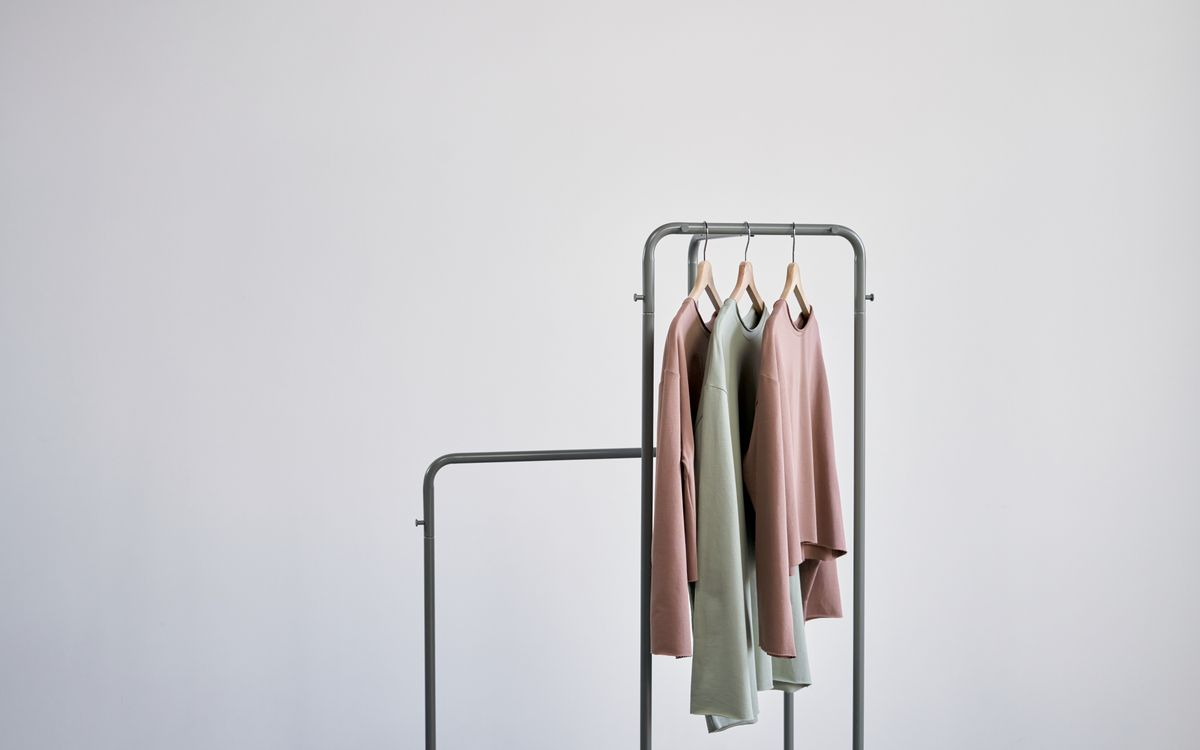
A capsule is usually sold as a number, but the number was never the point: it’s a small set that covers one scene completely, every piece working with every other. Five is the smallest number that still leaves a choice. Build it for one scene, not for “everyday,” because “everyday” is where capsules go to die.
The five slots
The standard build is two bases, one mid-layer, one bottom, and one pair of shoes — plus whatever is on your body, which doesn’t count against the five.
Two bases. One light, one warmer — the pieces against your skin, washed most often, rotated daily. Merino or a performance synthetic dries overnight; cotton holds moisture and becomes a laundry decision.
One mid-layer. The warmth — fleece, fine knit, or light down. It decides whether the scene is comfortable at its coldest hour, so choose it against the forecast, not the outfit.
One bottom. One pair that works with both bases and the mid-layer — wool trousers, a clean chino, dark denim. Something that reads intentional and survives three days of wear.
One pair of shoes. The most constrained slot: one pair for the scene’s surfaces. If the scene needs a second pair, the capsule is already five-plus.
Variants
The slots hold; the fill changes. A cold scene trades the second base for an outer layer — two thin bases under a coat beat one base under a bulky mid-layer. An evening scene swaps the bottom for a dress or tailored trouser, with a mid-layer knit that reads finished on its own. An active scene makes the second base technical and the mid-layer a shell.
The combination test
Before the five are fixed, run the combinations: pick two at random and ask whether they work together without the third piece. If the answer is “only with that one,” one of them is wrong for the capsule.
The practical version is the laundry test: with one base in the wash, the remaining four must still produce an outfit you’d leave the house in.
Color discipline
With five pieces, the palette does structural work, not decorative work. The workable default: two neutral bases, a mid-layer in one of those neutrals or a muted tone beside them, a bottom in the neutral family, shoes in the darkest neutral.
One accent is allowed, and an accent appears once. Neutrals also let texture work: a ribbed knit over smooth twill reads as considered even when the colors match.
When five pieces isn’t enough
Five covers a scene, not a week of different scenes. Add a piece when the trip spans two formality levels (one bottom rarely serves both a dinner scene and a workday scene), when the scene has a costume element, ski or gym or swim, that neutrals can’t fake, when the forecast outruns one mid-layer, or when a surface demands specific footwear: wet stone, sand, a gym floor.
The failure mode is never “too few pieces.” It’s five pieces that each serve only one combination. Before you add a sixth, check that it works with at least three of the existing five — if not, you’re not building a capsule, you’re building outfits.
The five-piece capsule is a scene tool. Measure the scene first — its coldest hour, its most formal moment, its surfaces — and the count takes care of itself. For the system inside a bag, see the coastal weekend capsule.
Frequently asked questions
- Does the fifth piece have to be shoes?
- Shoes are the default because footwear is the most scene-specific slot and the hardest to improvise. In a scene where footwear barely changes, the fifth slot can go to an outer layer or a second bottom. What matters is that the slot is reserved for the piece the scene can't do without.
- Can a five-piece capsule cover a full week?
- For one scene, yes, with a laundry day mid-week. What breaks it is a calendar with several scenes in it — a workday scene and a dinner scene need different bottoms, and no single bottom serves both well. Count scenes, not days.
- Should all five pieces be neutral?
- Four neutrals and one accent is the workable split. The accent can be any piece, as long as it sits beside the neutral family rather than fighting it. If two pieces compete for attention, the eye reads mismatch, not layering.