Minimal jewelry: the one-piece rule
Published Oct 14, 2026 · Updated Oct 16, 2026 · By Iris, Pieces & materials editor
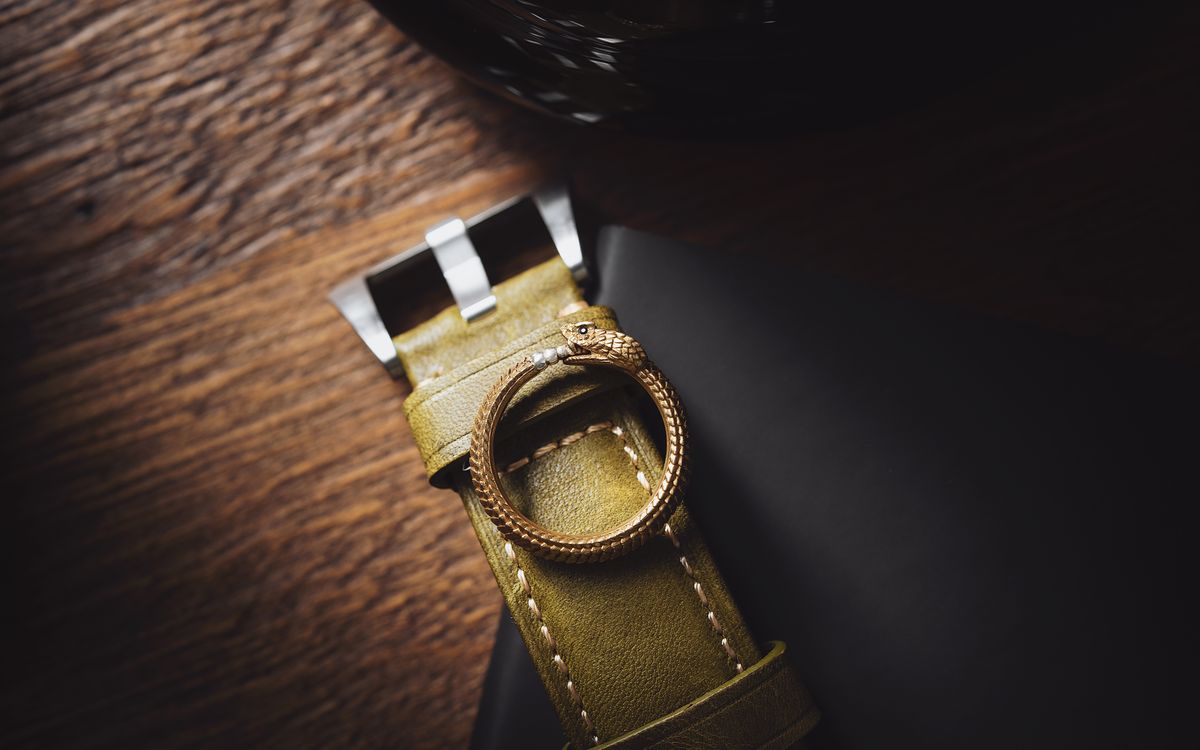
Jewelry is the accessory most likely to be overdone. The instinct is to add a necklace, then earrings, then a bracelet, and the result is a stack that competes with the outfit instead of finishing it. The one-piece rule is the correction.
Why one piece works
An outfit reads as deliberate when there’s a single point of focus. Two focal pieces split attention; three turn the outfit into a display. A single piece (a watch, a chain, a ring) gives the eye somewhere to land and lets everything else stay quiet.
The exception is small, quiet pieces that read as part of the body: stud earrings, a thin band you never take off. Those don’t compete, because nobody’s eye stops on them.
Choosing the piece
Consider the scene’s level. A watch works from level 2 to 5. A chain necklace works at 2–3; a pendant at 3–4. Statement earrings are level 4 and above. Match the piece to the highest level you’ll reach that day, then wear it all day.
Consider the hardware you already wear. A gold watch case with silver jewelry reads as an accident. Pick the metal family that matches your watch, your belt buckle, or your glasses, and stay in it.
Consider weight. A heavy chain pulls at the neck and reads heavier than it is. For daily wear, thin beats thick; for evening, one heavier piece beats three light ones.
Materials that hold up
Solid gold and sterling silver last; plated pieces wear through at the high points (the clasp, the inner edge of a ring) within months of daily wear. If you wear a piece every day, buy the solid version or accept that it’s replaceable.
Stainless steel is the practical middle: cheap, durable, and fine for a watch or a chain that gets knocked around. It doesn’t patina, which some people miss and others prefer.
Care, briefly
Put jewelry on last, after perfume, lotion, and hair products, and take it off first. Store it closed, not on an open tray, and keep silver in a sealed bag if you live somewhere humid. A polishing cloth handles the rest.
How it reads in a scene
At level 2, a watch or a thin chain. At level 3, a pendant or a ring. At level 4 and above, one statement piece (earrings or a necklace) and everything else stays minimal. The rule doesn’t change with the level; only the piece does.
Where the rule bends
The rule counts focal points, not objects. Two thin chains at different lengths read as one neckline; two rings on the same hand read as one hand. What breaks it is two pieces competing for the same glance — a pendant with statement earrings, a bold cuff with a bold watch. The practical boundary is the gym and the shower: take everything off for both. Chlorine dulls gold, soap leaves a film in settings, and a chain stretched by a towel stays stretched.
Buy one piece you’ll wear daily. A single ring worn for ten years reads better than a drawer of options.
Frequently asked questions
- What counts as one piece?
- One piece that reads as a decision: a watch, a necklace, a pair of earrings that matters, or a ring. Small studs that read as part of the body don't count against the rule — the point is one deliberate focal piece, not zero jewelry.
- Gold or silver?
- Match the metal to the rest of the hardware you wear — a watch case, a belt buckle, glasses hinges. Mixing metals is fine if it looks intentional, but the easiest version is one family throughout. Warm undertones usually pull toward gold, cool ones toward silver, but personal preference wins.
- How do I keep jewelry from tarnishing?
- Keep it dry and store it in a closed box, not on an open tray. Put jewelry on last, after perfume and lotion; take it off first, before washing. Sterling silver tarnishes faster in humid air, so a sealed bag matters more than any polishing cloth.