The tote bag, decoded: capacity, structure, and strap
Published Oct 15, 2026 · Updated Oct 17, 2026 · By Iris, Pieces & materials editor
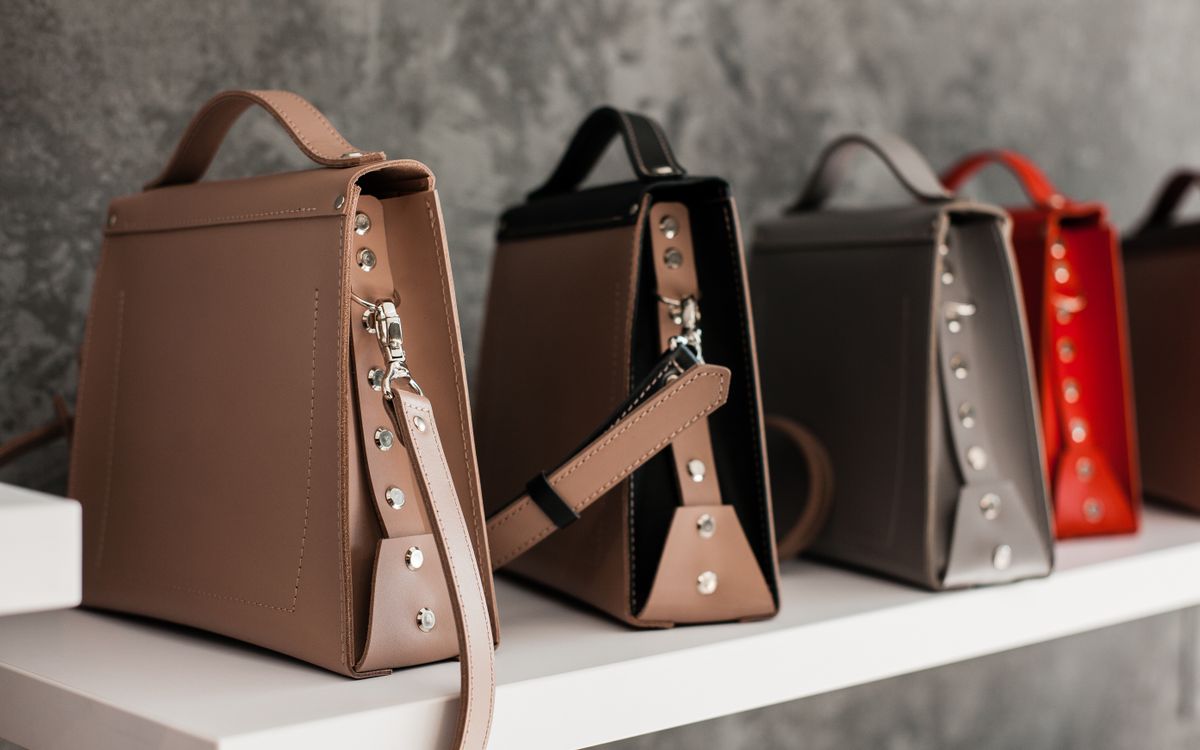
The tote is the default bag of the working wardrobe, and it’s sold on looks while it’s judged on three specs: how much it holds, whether it stands up, and how the strap feels at hour three. Get those right and a tote disappears into your day; get them wrong and you spend the day managing a bag instead of wearing one.
Capacity: match it to the scene, not the wish
Capacity is quoted in liters, and the right number is the smallest one that covers your actual load.
- Around 15 liters covers a laptop, a water bottle, and lunch — the commuter tote.
- 18 to 20 liters adds a market run: a couple of grocery bags, a jacket, a notebook.
- 25 liters and up is an overnight or a gym bag, and it’s a liability as an everyday: an under-filled big tote slumps, swings, and crumples against your hip.
Before you buy, list what the bag has to carry on the worst day of the week, not the average one. Then buy the size that swallows that list with a liter to spare.
Structure: the spec nobody prints
A tote’s structure comes from three things: a reinforced base (a leather or double-layer bottom panel), a full gusset (the side panel that gives the bag depth), and material with body. A tote that collapses at the bottom forces you to pin it open with a hip while you dig with the other hand — the single most underrated failure in the category.
Closures matter for the same reason. An open tote is fast and collapses; a zip or magnetic closure keeps the bag’s shape and keeps contents in, at the cost of a second of fumbling. Interior pockets (one zip pocket, ideally against the back panel where the bag rests on your hip) are what keep keys and a phone findable.
Strap length and weight
The strap has two jobs: put the bag at the right height on your shoulder, and distribute the load.
Length first — the drop (shoulder seam to bag top) should let the bag sit at hip height, above the waistband, so it doesn’t bang your thigh when you walk. Too long and it rides low and swings; too short and it fights your coat.
Weight is the trade nobody warns you about. A structured leather tote weighs meaningfully empty; a canvas one doesn’t. Then load it: a 2-pound empty bag plus a 10-pound load is a different day than a 1-pound bag with the same load. Wide straps distribute better than thin ones at the same weight — the pressure spreads over more shoulder.
Leather vs canvas
- Leather holds its shape, takes weather without drama, and gains patina. It weighs more empty and costs more new.
- Canvas is lighter, softer, and cheaper; it wears in rather than out, and it slumps sooner — a canvas tote needs a reinforced base to stay usable.
Our read: leather for the bag that stands on office floors and rides elevators; canvas for the one that gets shoved under seats and carried all weekend.
Putting it together
For a typical week (commute, market, the occasional overnight), two totes cover it: a structured 15-liter leather tote for the desk days, and a soft 20-liter canvas one for everything else. If you only buy one, buy the structured leather one and accept the market trips with two bags in hand.
For the hands-free version of the same load, see The crossbody bag, decoded.
Frequently asked questions
- How many liters do I need in a tote?
- Around 15 liters covers a laptop, a water bottle, and lunch for a commute; 18-20 liters adds a market run or a jacket. Bigger than you need is its own problem — an under-filled 25-liter tote slumps, swings, and crumples against your hip.
- Why does my tote never stand up on its own?
- Structure comes from a reinforced base, a full gusset, and material with body. A tote that collapses at the bottom forces you to pin it open with a hip while you dig with the other hand — the most underrated spec in the category.
- Leather or canvas?
- Leather holds its shape, takes weather better, and gains patina, but it weighs more empty. Canvas is lighter and softer, wears in rather than out, and slumps sooner. If the bag lives in your hand all day, canvas; if it stands on office floors, leather.